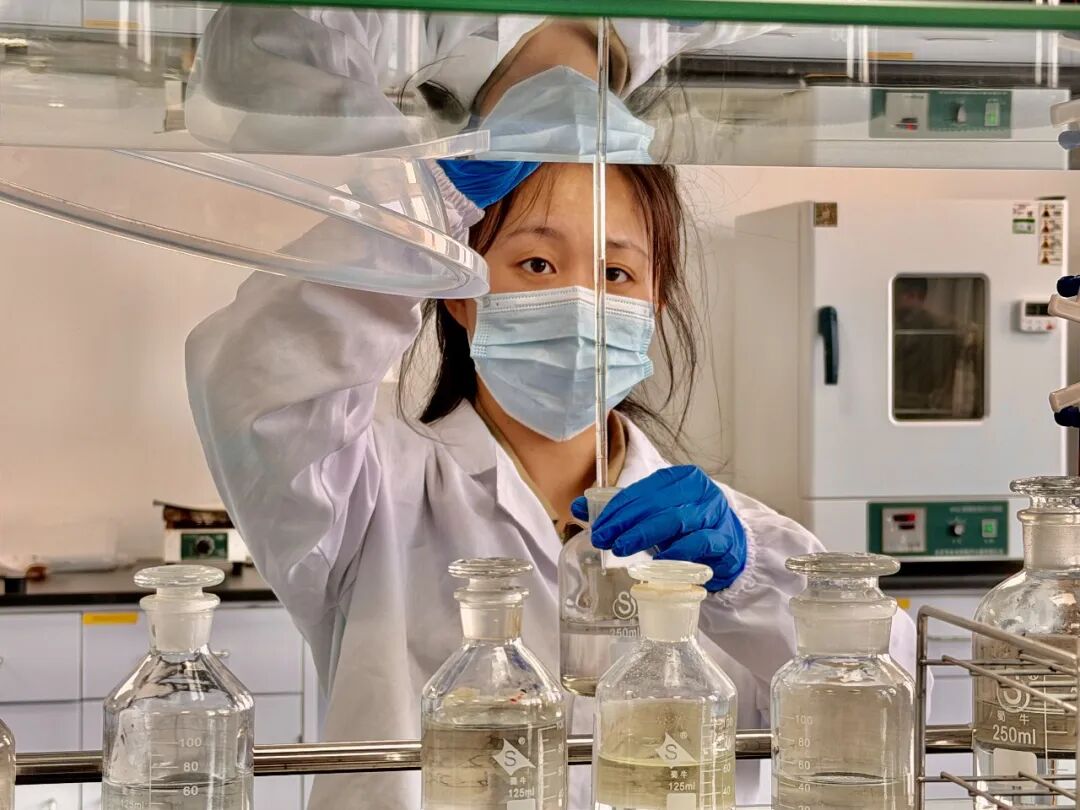
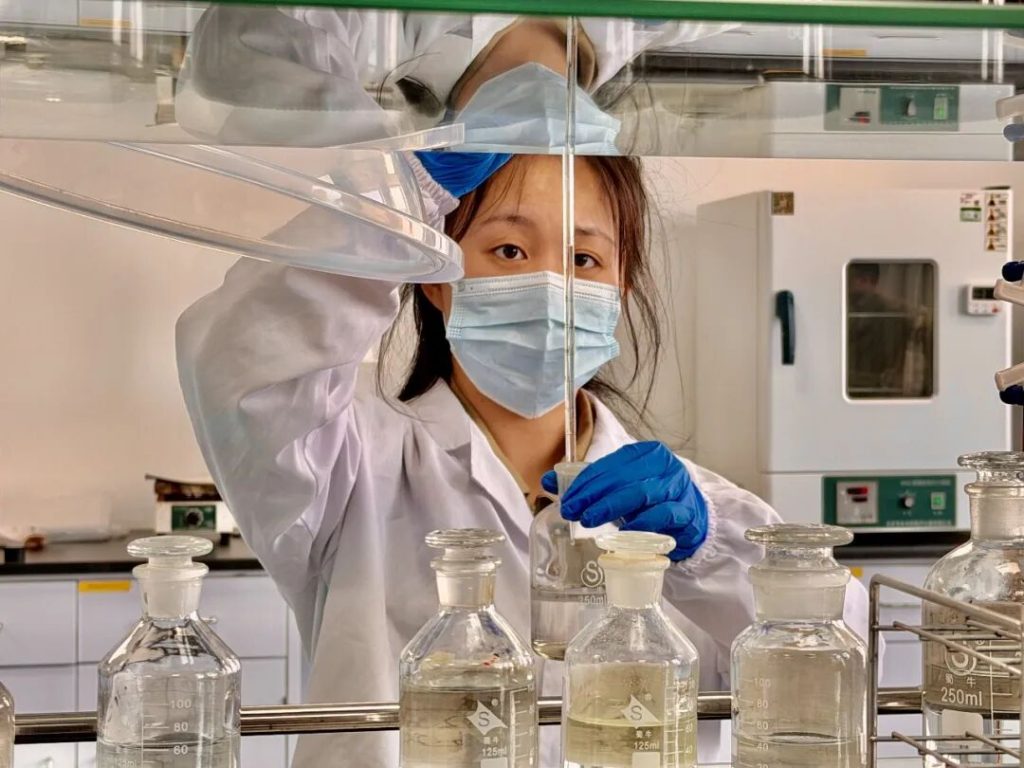
On June 12, inside the R&D center of Xinjiang Yilihong New Biological Materials Technology Co., Ltd. located in the Bingtuan Sub-district of the Horgos Economic Development Zone (hereinafter referred to as the Bingtuan Sub-district), laboratory technicians were conducting flame inoculation experiments. Researchers kept a close eye on the entire process of strain cultivation and fermentation optimization, tackling the improved fermentation process for chlortetracycline, screening the optimal scheme through multiple groups of controlled experiments, tapping the potential for energy conservation and efficiency improvement through technological innovation, and activating the company's new quality productive forces with scientific and technological innovation.
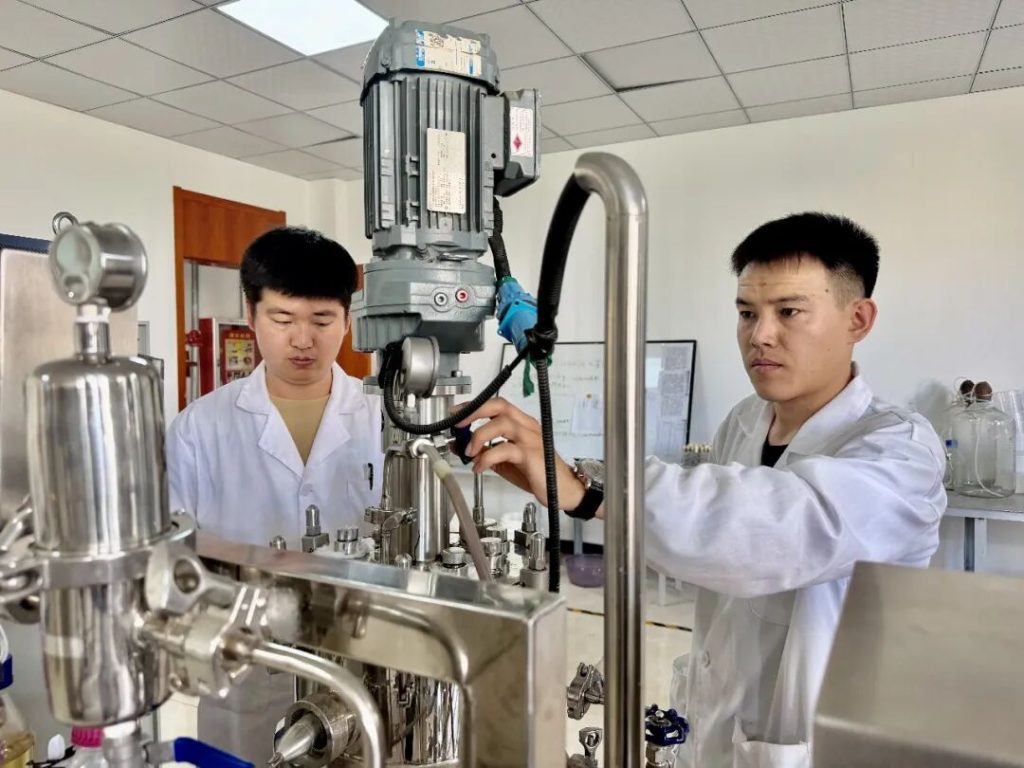
“Adding iron porphyrin trace elements can strengthen the electron transport in the metabolism of Streptomyces aureofaciens and improve product synthesis efficiency.” Zhang Jie, R&D Director of Xinjiang Yilihong Biological New Material Technology Co., Ltd., introduced that after process improvement, the titer of chlortetracycline increased from 20,000 to 25,000, the fermentation cycle was compressed from 120 hours to 80 hours, and air consumption and power consumption decreased by 25% and 15% respectively, achieving green and low-carbon production while increasing output and improving quality, and greatly reducing comprehensive energy consumption costs.
Cultivating and strengthening new quality productive forces, scientific and technological innovation is the core lever. As a key project of Shandong Hongda Group Co., Ltd. responding to the “Belt and Road” Initiative and implementing industrial assistance to Xinjiang, Xinjiang Yilihong Biological New Material Technology Co., Ltd. settled in the Corps Sub-center in 2018, with a total investment of 4.5 billion yuan to build a 500,000-ton agricultural and sideline products deep processing project, covering an area of 1,422 mu. It is the chain leader enterprise of the division city's biomanufacturing sector, a national-level high-tech enterprise, and a Corps-level specialized, refined, distinctive, and innovative enterprise. Relying on a postdoctoral workstation and professional R&D laboratories, a research team of more than 100 people continues to deepen biomanufacturing fermentation technology and build a complete innovative R&D system.
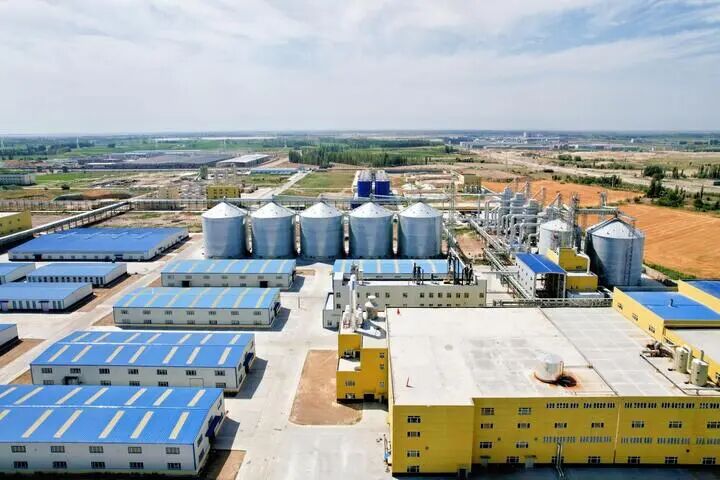
The abundant corn resources in the Ili River Valley provide stable raw materials for the enterprise, and the automation rate of fermentation and extraction in the plant area exceeds 80%; combined with the opening-up advantages of the Horgos Port, the enterprise has smooth internal and external dual-circulation channels. Liu Limin, Deputy General Manager of Xinjiang Yilihong Biological New Material Technology Co., Ltd., introduced that the company mainly deals in biological products such as tryptophan and hyaluronic acid, with more than 40 percent of products exported to Southeast Asia and South America, and stable foreign trade channels. In 2025, the enterprise processed 300,000 tons of corn, with an output value of 1.2 billion yuan; from January to May this year, the output value reached 715 million yuan, highlighting a strong momentum of both production and sales.
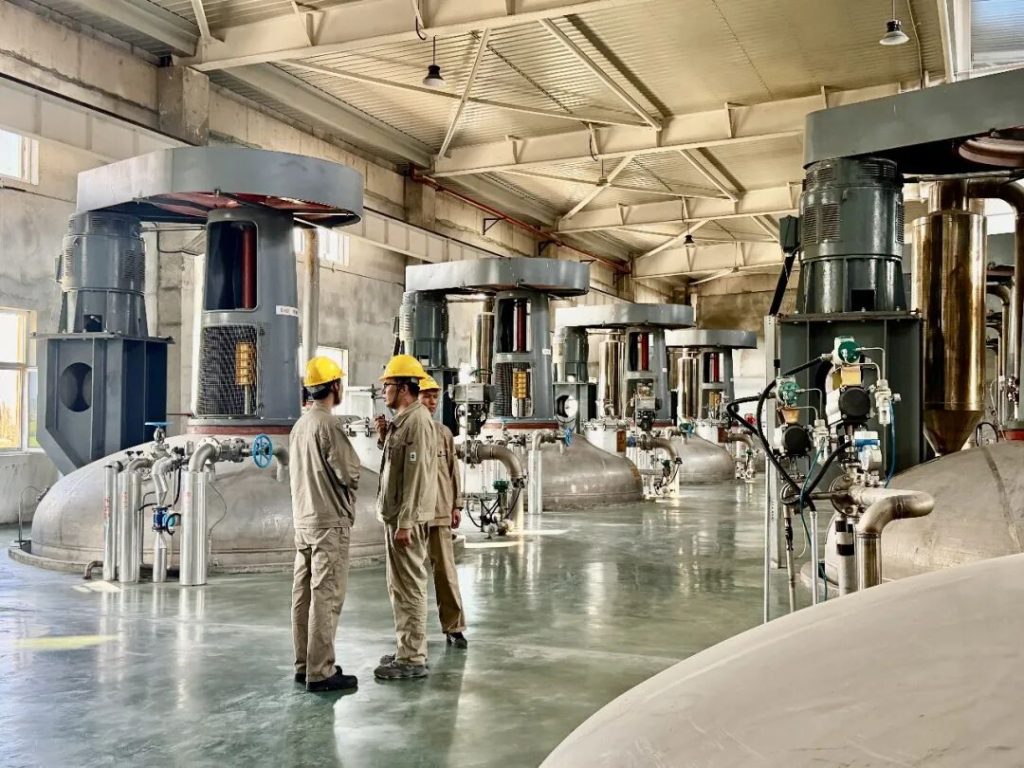
Based on the clustered layout of the biomanufacturing industry, the division city has issued special support policies, focusing on building corn deep processing and biopharmaceutical industrial clusters to escort enterprises in extending chains and upgrading. Relying on the Corps Sub-center's complete supporting facilities for thermal power and environmental protection, Xinjiang Yilihong Biological New Material Technology Co., Ltd. has embarked on a transformation path of “agriculture at the front, industry at the back; grain at the front, medicine at the back.”
This article is reprinted from the WeChat public account @Kekedala News