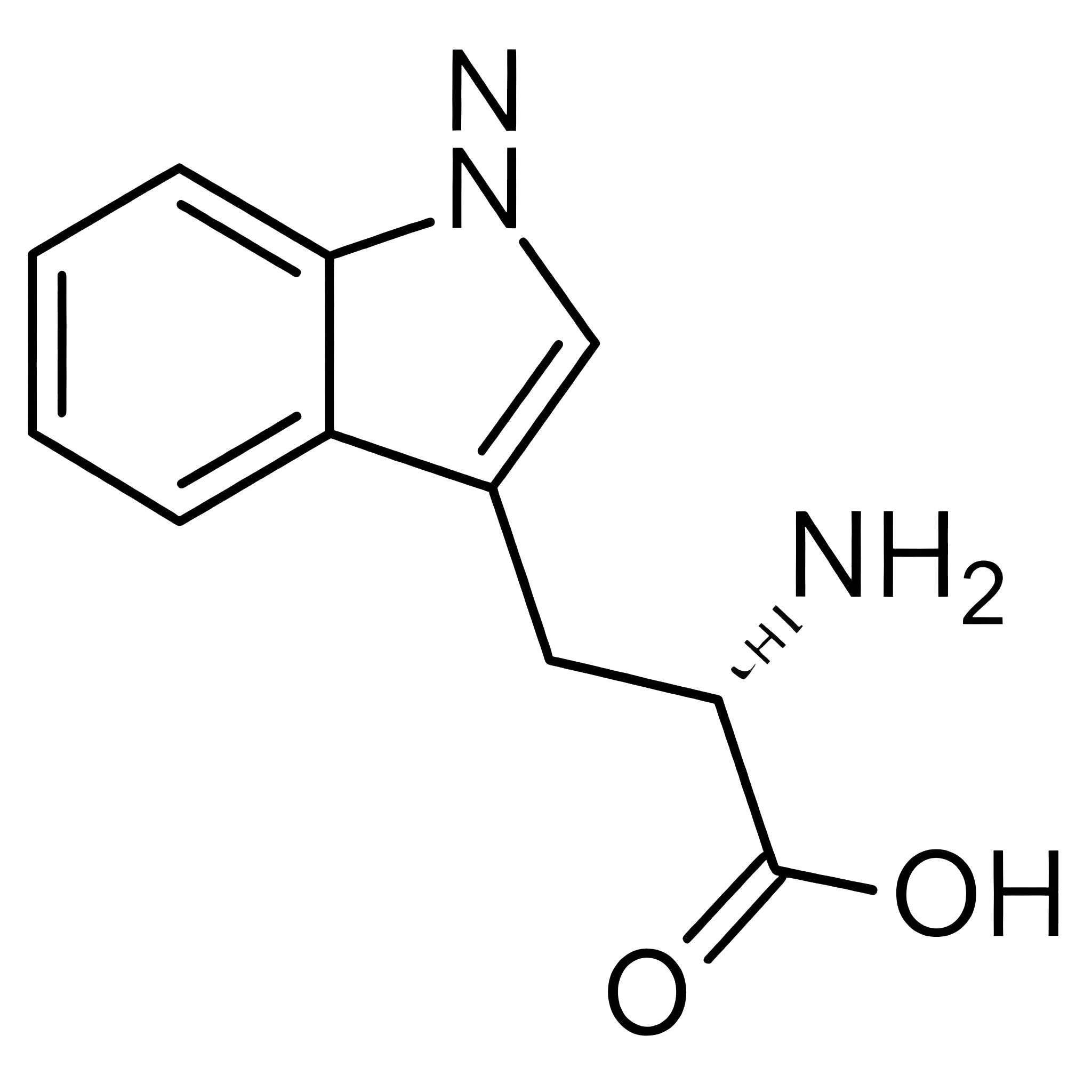
Product Information
- 产品名 L-Tryptophan
- 化学式 C11H12N2O2
- CAS 73-22-3
- 执行标准 GB/T 25735-2010
- 产品特性 White to yellowish-white crystals or crystalline powder, odorless, with a slightly bitter taste.
- 产品包装 25 kg kraft paper bag
Product Overview and Characteristics
L-Tryptophan is one of the essential amino acids for animals and is the fourth limiting amino acid in pig diets after lysine, methionine, and threonine. It plays a key role in serotonin synthesis, appetite regulation, and anti-stress responses. It is particularly important in low-protein diet strategies using corn and wheat as primary ingredients. Tryptophan can promote animal feed intake, attenuate stress responses, improve sleep, and also increase antibodies in fetuses and young animals and enhance lactation in dairy animals. It is widely used in swine, poultry, and aquatic feed, and is especially suitable for sow and piglet diets.
Product Application Scenarios
Feed Intake Promotion
Tryptophan is a precursor of serotonin and participates in appetite regulation. It can effectively increase animal feed intake, improve feed consumption and growth uniformity, with particularly pronounced effects in weaned piglets and animals under stress.
Anti-Stress
Tryptophan exerts a calming effect through the serotonin and melatonin pathways, can attenuate stress responses in animals, reduce aggressive behavior in piglets after weaning, and improve animal welfare and farming stability.
Growth Promotion
As an essential amino acid, tryptophan acts synergistically with lysine, methionine, and threonine to promote the synergistic absorption of all amino acids in feed, improve protein utilization efficiency, reduce the amount of high-quality protein in diets, and save feed costs.
Immune Regulation
Tryptophan participates in immunoglobulin synthesis, helps increase antibody levels in young animals, improves intestinal health, reduces oxidative stress, increases milk production in dairy animals, and provides comprehensive support for sow reproductive performance.
Related Products